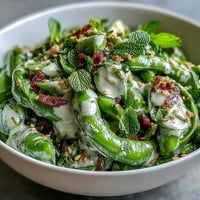
 Save
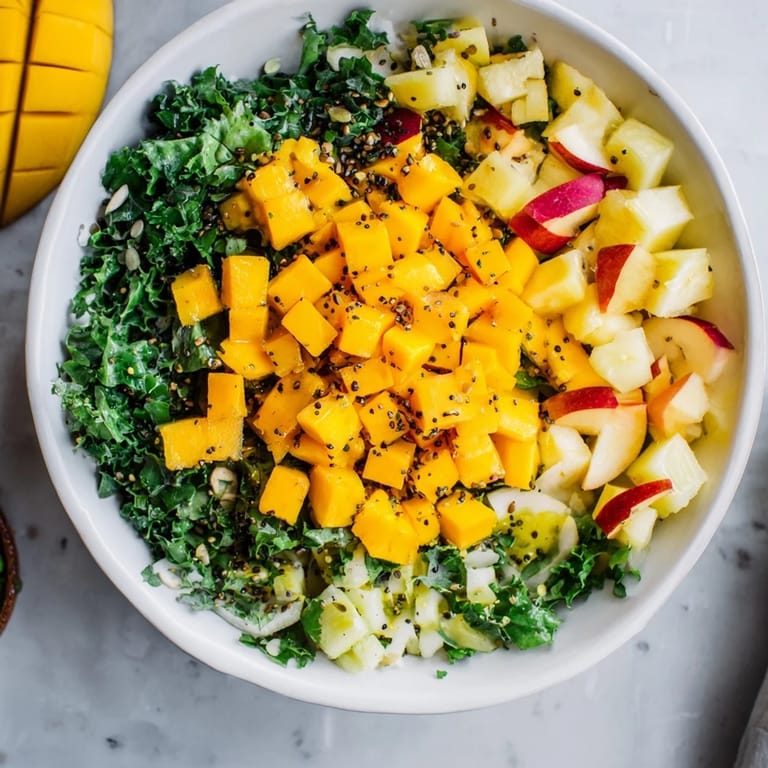
Save There's something about arranging bright yellow fruits in a nest of emerald greens that reminds me why I cook in the first place. I discovered this salad on a lazy afternoon when my farmer's market haul felt too beautiful to chop up into the usual suspects. The colors were so vivid, so intentional, that I couldn't help but build something that honored them rather than buried them. What started as a happy accident—setting the mango and pineapple aside while I massaged the kale—became the moment I realized some dishes design themselves.
I made this for a friend who'd been experimenting with plant-based eating, and watching her face light up when she saw the presentation was worth every second of knife work. She took a forkful of mango and kale together, and something shifted in the conversation—she stopped treating it like she was 'being healthy' and started eating like she was genuinely enjoying herself. That's the magic of this salad, I think. It doesn't announce itself as virtuous; it just quietly proves that vibrant food can be both nourishing and a little bit of theater.
Ingredients
- Ripe mango, 1 cup diced: Choose one that yields slightly to pressure but isn't mushy; the sweetness carries the whole salad and the soft texture contrasts beautifully with the chewy kale.
- Pineapple, 1 cup diced: Fresh is mandatory here—canned will collapse into mush and lose the bright, tart snap that makes each bite interesting.
- Golden apple, 1 whole, diced: The crunch anchors the salad and prevents it from feeling too soft; I prefer Honeycrisp or Gala for their natural sweetness.
- Yellow peach, 1 whole, sliced: Stone fruit should be at peak ripeness, fragrant enough to smell from across the kitchen, or it'll taste mealy and disappointingly bland.
- Kale, 4 cups, stems removed and finely shredded: Massage it thoroughly with dressing, not just tossed through; this transforms it from bitter and tough into something tender enough that you'll actually want seconds.
- Baby spinach leaves, 1 cup: They add a subtle sweetness and soften the earthiness that raw kale can sometimes carry.
- Fresh parsley, ½ cup chopped: Use the flat-leaf kind if you can find it; it has more flavor and doesn't stick between your teeth.
- Fresh mint leaves, ¼ cup torn: Tear them by hand rather than chopping so they release their oils without bruising and turning dark.
- Fresh basil leaves, ¼ cup torn: This pulls everything toward brightness, but use it the same day you make the salad or it'll oxidize and turn bitter.
- Extra-virgin olive oil, 3 tablespoons: Buy the good stuff; it's the only fat in this dish and it deserves to shine, not be wasted on a mediocre bottle.
- Fresh lemon juice, 2 tablespoons: Squeeze it yourself moments before mixing; bottled versions taste tinny and leave a hollow aftertaste.
- Maple syrup, 1 tablespoon: A whisper of sweetness that balances the acid and brings the whole thing into harmony without being obvious about it.
- Dijon mustard, 1 teaspoon: This adds depth and helps emulsify the dressing so it doesn't separate or taste oily.
- Sea salt, ½ teaspoon: Taste as you go; you might want more depending on your greens and fruit.
- Freshly ground black pepper, ¼ teaspoon: Grind it right before mixing so the flavor stays sharp and peppery, not dusty.
- Toasted pumpkin seeds, 2 tablespoons optional: They add a savory crunch and a hint of nuttiness that lifts the whole salad, so I skip skipping them.
- Lemon zest, from 1 lemon: Just the yellow part, never the white pith; it tastes bitter and will ruin the delicate flavor balance you've worked to build.
Tired of Takeout? 🥡
Get 10 meals you can make faster than delivery arrives. Seriously.
One email. No spam. Unsubscribe anytime.
Instructions
- Whisk your dressing into being:
- In a small bowl, combine the olive oil, lemon juice, maple syrup, mustard, salt, and pepper, then whisk steadily until everything turns pale and creamy. You'll feel the moment it emulsifies—the texture shifts and stops looking oily and loose.
- Soften the kale with intention:
- Pour half the dressing into your large bowl with the shredded kale, then use your hands to massage it gently for 1–2 minutes. Watch it transform from a tough, curly heap into something silky and yielding; your hands will feel the change before your eyes register it.
- Gather your green foundations:
- Toss in the baby spinach, parsley, mint, and basil, turning everything gently so the herbs distribute evenly without bruising. The bowl should smell like a garden after rain.
- Build your forest ring:
- Transfer the dressed greens to a wide, shallow serving bowl and arrange them around the outer edge, piling them toward the center to create a dense, lush ring. Leave a bare circle in the very middle for what comes next.
- Crown it with the sunlit glade:
- Pile the diced mango, pineapple, apple, and sliced peach into that center circle, stacking them casually so they catch the light. The contrast between the vivid yellows and the deep greens is what makes this salad sing.
- Finish with the final drizzle:
- Pour the remaining dressing over the fruits and greens, letting it pool slightly in the valleys between the fruit pieces. This final pour is where you can taste and adjust—add more lemon juice if you want brightness, more maple if it feels too sharp.
- Add your final flourishes:
- Scatter the toasted pumpkin seeds and lemon zest across the top if you're using them, then carry the bowl straight to the table. Serve immediately, before the greens start to wilt from their own warmth.
 Save
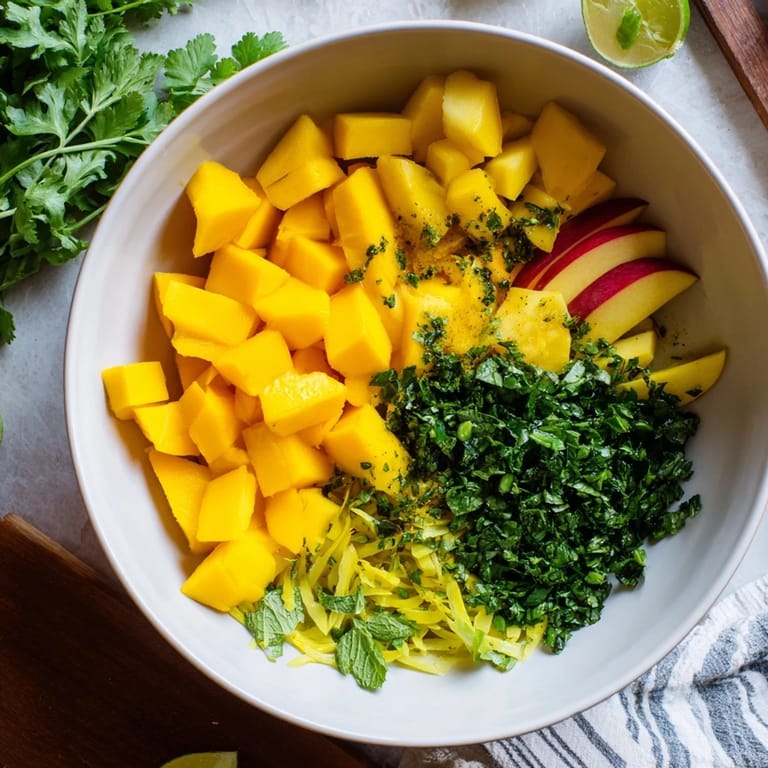
Save I remember sitting outside on a warm evening, watching someone take the first bite of this salad and seeing their whole face relax into a smile. There was no guilt, no obligation, just pure delight at how good something could taste when it was this simple and this honest. That's the moment this stopped being just a salad and became something I wanted to make again and again.
The Fruit Selection That Makes All the Difference
Yellow fruits are often overlooked in favor of their red or orange cousins, but there's something generous about their sweetness that doesn't demand attention—it just offers it quietly. Mango brings richness, pineapple brings tang and texture, apple brings crunch, and peach brings a soft, fragrant luxury that makes everything around it taste better. The combination works because each one plays a different role, and none of them tries to be the star. When they're arranged together in the center of the bowl, they create something bigger than the sum of their parts, a little treasure chest of brightness that makes you want to come back for another bite.
Why Fresh Herbs Transform Everything
Dried herbs are fine for some things, but not here. The parsley, mint, and basil need to be alive, green, and fragrant, because they're not just flavoring this salad—they're half the story. Each one brings its own personality: parsley is straightforward and clean, mint is cool and slightly shocking, basil is velvety and sweet. Together, they create a kind of herb meditation around the fruits, making sure nothing tastes one-dimensional. I learned this the hard way when I once tried to 'save time' with dried mint, and the whole dish fell flat. Now I treat the herbs like they're as important as the fruit, because they honestly are.
Making It Your Own Without Losing What Works
This is a framework, not a prison. If yellow kiwi speaks to you more than peach, use it. If you want to add avocado for creaminess or scattered walnuts for earthiness, do it with confidence. The only rule I'd guard fiercely is the massage-the-kale step and keeping the presentation intentional, because those two things are what elevate this from just another salad to something that people remember and ask for by name.
- Substitute yellow papaya or golden kiwi for any of the listed fruits without guilt.
- Add creamy avocado slices if you want richness, but introduce them gently so they don't overwhelm the brightness.
- Keep the fruit and greens separate until serving, and this salad becomes a forward-planning dream for busy days.
 Save
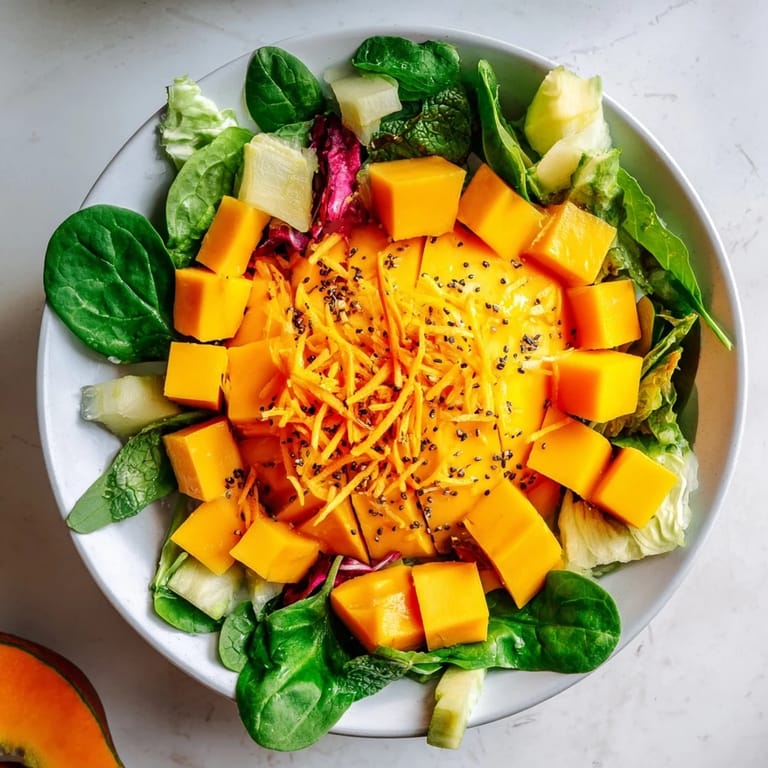
Save This salad has become my answer to the question 'what do I make when I want people to feel cared for without spending hours in the kitchen?' It's vegan and gluten-free without announcing itself as such, which means everyone sits down together, eats the same beautiful thing, and nobody feels like they're missing out. That's the real recipe.
Cooking Guide
- → What fruits can I substitute for the yellow fruits?
You can replace the mango, pineapple, golden apple, or peach with yellow kiwi or papaya for a similar bright flavor.
- → How do I prepare the greens for the salad?
Finely shred the kale and massage it with part of the dressing to soften. Then add spinach, parsley, mint, and basil, toss gently to combine evenly.
- → Can I prepare this dish in advance?
Yes, to keep the freshness, store fruits and greens separately and assemble just before serving.
- → What dressing ingredients balance the flavors?
The dressing combines extra-virgin olive oil, fresh lemon juice, maple syrup, Dijon mustard, salt, and pepper for a bright and harmonious taste.
- → Are there optional toppings to enhance texture?
Toasted pumpkin seeds add crunch, and a sprinkle of lemon zest enhances brightness and aroma.