 Save
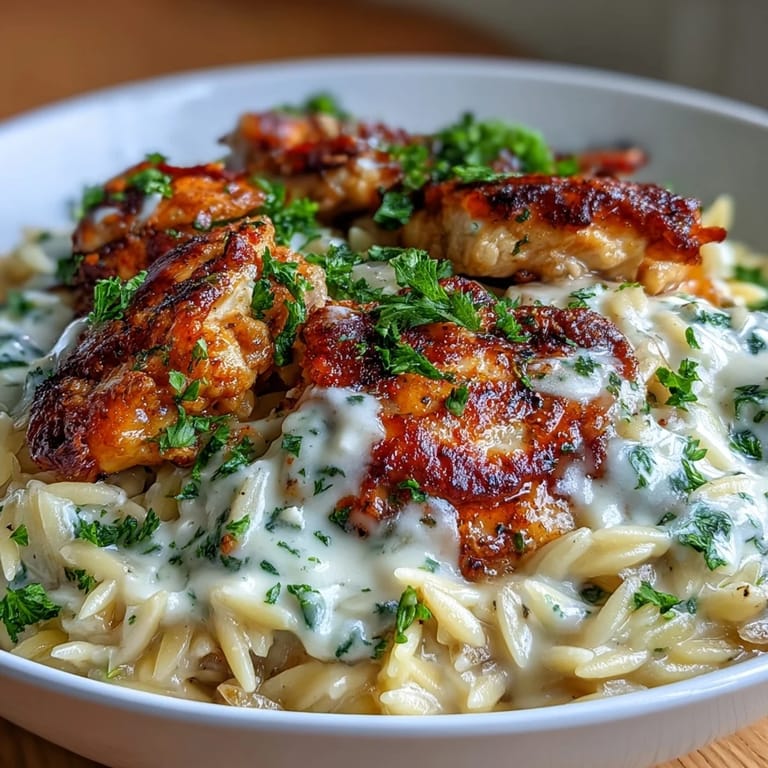
Save There's something magical about the sound of chicken hitting a hot skillet—that satisfying sizzle that tells you everything's about to come together. I stumbled onto this one-pot wonder on a Tuesday evening when I had exactly thirty minutes and a fridge that needed serious attention. The result was so comforting and elegant that my partner asked if I'd ordered it, which felt like the highest compliment a weeknight dinner could receive.
I'll never forget making this for my sister during her surprise visit—she arrived unannounced on a rainy afternoon, and I had nothing prepared. By the time her suitcase hit the hallway, this dish was bubbling away on the stove, filling the kitchen with such an inviting aroma that she practically melted into a barstool. Thirty minutes later, she was twirling orzo on her fork with real joy, and we spent the evening talking in that easy way that only happens over really good food.
Ingredients
- Chicken thighs or breasts: Thighs stay juicier and more forgiving, but breasts work beautifully if that's what you have—just watch them carefully so they don't dry out.
- Kosher salt, black pepper, and Italian seasoning: This simple trio gives the chicken a proper foundation before it hits the pan, making all the difference in flavor.
- Olive oil: You need enough to create that golden sear that locks in the chicken's juices and builds the flavor base.
- Garlic and onion: Mince the garlic finely so it melts into the sauce rather than leaving sharp chunks, and dice the onion small enough to disappear into the creaminess.
- Baby spinach: Optional, but it adds color and a subtle earthiness that rounds out all that richness—I've left it out before and don't regret it, but I also don't skip it anymore.
- Orzo pasta: Those tiny rice-shaped noodles are perfect here because they cook quickly and have just enough surface area to catch the cream sauce.
- Low-sodium chicken broth: The salt content matters because you're reducing this down, so low-sodium keeps you in control.
- Heavy cream and Parmesan: Fresh-grated Parmesan makes a noticeable difference—it melts more smoothly than the pre-shredded stuff, which has anti-caking agents that can make the sauce slightly grainy.
- Unsalted butter: This gives you control over the final salt level and adds a richness that oil alone can't achieve.
- Fresh parsley: A small handful scattered on top transforms the dish visually and adds a bright, fresh contrast to all that cream.
Tired of Takeout? 🥡
Get 10 meals you can make faster than delivery arrives. Seriously.
One email. No spam. Unsubscribe anytime.
Instructions
- Season and sear your chicken:
- Pat your chicken pieces dry—moisture is the enemy of a good sear—then toss them with salt, pepper, and Italian seasoning. Heat the olive oil until it shimmers, then add the chicken pieces without crowding the pan; if they're touching, you'll steam them instead of searing them, so work in batches if needed. Listen for that confident sizzle and let them sit undisturbed for a few minutes until they develop a golden crust.
- Build your aromatic base:
- Once the chicken's done, remove it to a plate and reduce the heat to medium. Add butter to the pan, then add the diced onion and let it soften and turn translucent—this takes about three minutes and signals that it's ready for the garlic. Add your minced garlic and stir constantly for about a minute until the kitchen smells absolutely incredible.
- Toast and bloom the orzo:
- Pour the dry orzo into the pan with all that buttery, garlicky residue and stir frequently for a minute or two. This toasting step sounds small, but it gives the pasta a nutty undertone that elevates the whole dish.
- Broth and simmer:
- Pour in your chicken broth and make sure to scrape the bottom of the pan with a wooden spoon to release all those flavorful browned bits—that's pure gold in your sauce. Bring it to a gentle boil, then turn it down to a simmer and cover it. Let it cook for eight to ten minutes, stirring occasionally, until the orzo is tender and most of the liquid has been absorbed.
- Return the chicken and cream it all together:
- Add the seared chicken back to the pan along with any juices that pooled on the plate. Pour in the heavy cream and sprinkle in the Parmesan cheese, stirring gently so everything combines into a silky sauce. If you're adding spinach, fold it in now and let it wilt right into the warmth.
- Final taste and serve:
- Simmer for another two to three minutes, stirring occasionally, until everything is creamy and the chicken is heated through. Taste it and adjust the seasoning—sometimes it needs a pinch more salt or a grind of fresh pepper. Scatter fresh parsley and extra Parmesan on top and serve while it's hot.
 Save
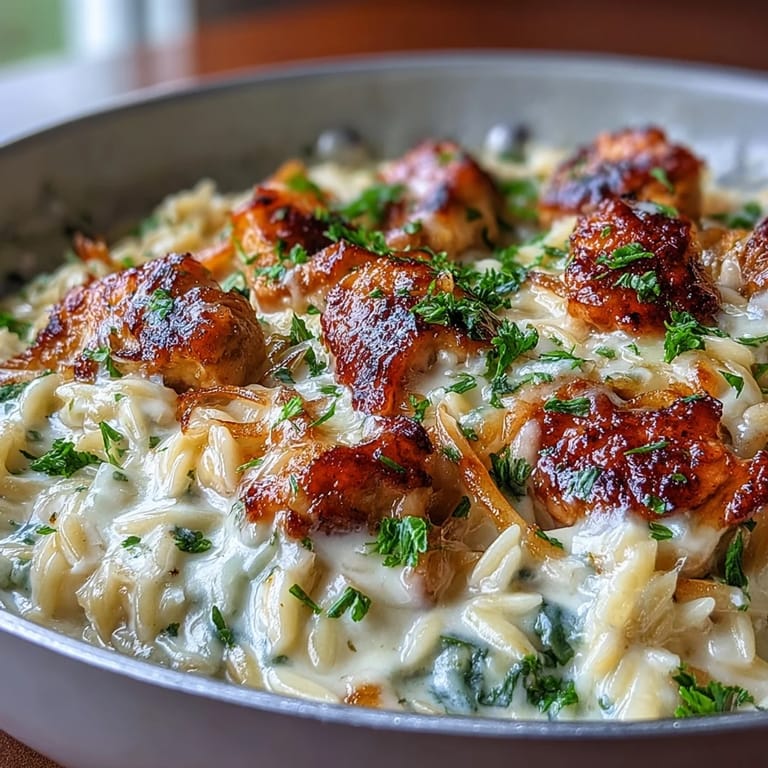
Save What surprised me most about this dish was how it transformed a chaotic Friday night into something almost meditative. My kids were doing homework at the kitchen counter, the dog was hoping for scraps, and somehow that one skillet managed to be both the centerpiece of the evening and completely foolproof. By the time dinner hit the table, everyone had forgotten about the stress of the day.
The Art of the Sear
I learned the hard way that patience during the searing step pays dividends. Years ago, I'd crowd the pan and rush through this step, wondering why my one-pot meals never had that restaurant quality. The moment I started letting the chicken sit undisturbed for a proper golden crust, everything changed—not just the texture, but the actual depth of flavor. That's where the magic happens, in those few minutes when the heat creates a caramelized exterior that seals in moisture and builds complexity into the final sauce.
Customizing Your Vegetables
This recipe is genuinely flexible with vegetables, which is why I keep making it. Mushrooms sautéed with the onion add an earthy richness that pairs beautifully with the cream sauce, while bell peppers bring brightness and a slight sweetness. I've also tossed in chopped broccoli toward the end of cooking and it worked perfectly, soaking up all that garlicky Parmesan goodness. The spinach is my usual choice because it needs no prep and practically wilts itself, but there's room here for whatever your kitchen or mood calls for.
Pasta and Sauce Balance
The real secret to this dish is understanding that the pasta itself absorbs a surprising amount of the broth before the cream even enters the equation. I used to think the dish looked too dry right before adding the cream, but that's exactly when you know your timing is right—the pasta is al dente and ready to welcome that luxurious sauce. If you do find yourself with too much liquid at the end, just simmer uncovered for an extra minute or two, or if it seems too thick, you can loosen it with a splash of broth or even a bit of cream.
- Orzo cooks faster than you'd think, so set a timer and stir occasionally to prevent sticking.
- Al dente is your target—pasta continues to soften slightly as the residual heat works on it, especially as it cools a tiny bit on the plate.
- If you're making this ahead, know that the pasta will absorb even more liquid as it sits, so add extra broth when you reheat it.
 Save
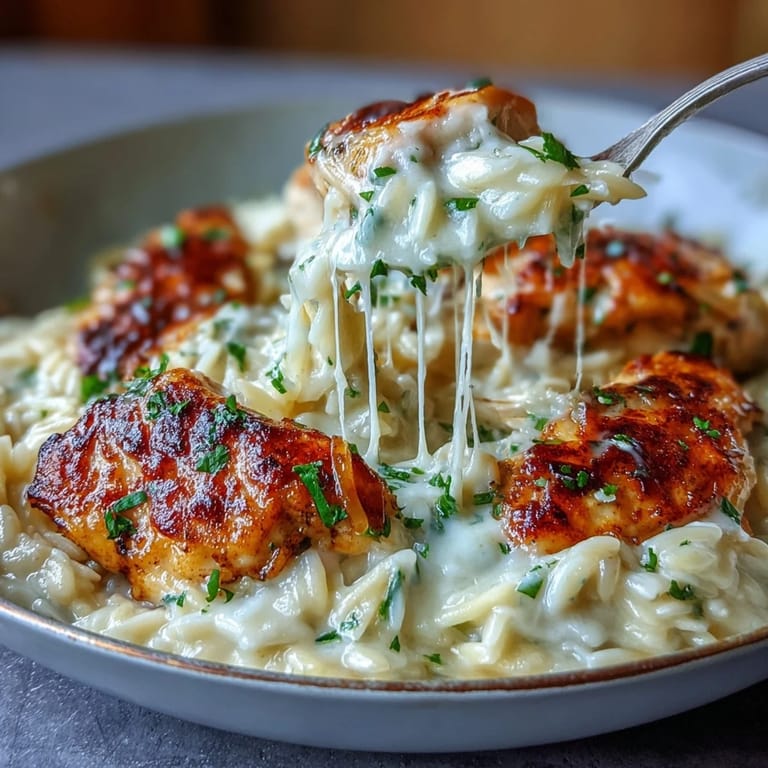
Save This one-pot meal has become the recipe I reach for when I need something that feels both special and manageable. It's the kind of dinner that makes you feel like you actually cooked, even though the whole thing came together in less time than ordering takeout.
Cooking Guide
- → Can I make this ahead of time?
The dish reheats beautifully, though the orzo will continue absorbing liquid. Store in an airtight container and add a splash of broth or cream when reheating to restore the creamy consistency.
- → What can I substitute for orzo?
Small pasta shapes like ditalini, macaroni, or even risotto rice work well. Adjust cooking time slightly based on your chosen pasta—rice will need more liquid and longer simmering.
- → Is there a lighter version?
Replace heavy cream with half-and-half or whole milk. Use less Parmesan or a combination with nutritional yeast. The sauce will be thinner but still flavorful.
- → Can I use chicken breasts instead of thighs?
Boneless skinless chicken breasts work perfectly. Cut them into similar bite-size pieces and adjust cooking time slightly—breasts cook faster than thighs and may need just 4-5 minutes to sear.
- → What vegetables can I add?
Chopped mushrooms, bell peppers, zucchini, or peas blend seamlessly. Add hearty vegetables like mushrooms with the onions, but stir in delicate options like spinach just before finishing.
- → Why toast the orzo?
Toasting the orzo in butter before adding liquid enhances its nutty flavor and helps the pasta hold its texture better during simmering, preventing it from becoming mushy.