 Save
Save Catching the citrusy perfume of freshly zested lemons always takes me by surprise, but it was lavender’s subtle aroma that stole the show when I first baked this Lemon Lavender Loaf Cake. I didn’t plan for a floral theme—it just happened after I found an old sachet of culinary lavender tucked away in my spice rack. The kitchen filled with a calming scent, blending sharp lemon and gentle blossoms, and suddenly everything felt a little more relaxed. Fine crumbs clung to my fingers as I turned the warm loaf onto a rack, and even before I glazed it, I couldn’t resist nibbling an end piece right there. This loaf makes you pause, even for a moment, and breathe in something special.
One Sunday, I served this loaf still-warm at an impromptu backyard tea with an old friend. We ended up arguing about whose slice got the biggest drizzle of glaze, both of us laughing so hard that tea nearly spilled across the plates. I’ll never forget the bees that hovered nearby, drawn in by the cake’s honeyed aroma. It felt more like summer in Provence than our little city porch. Recipes like this don’t just spark memories—they make new ones each time.
Ingredients
- All-purpose flour: Go for all-purpose rather than cake flour—it gives the loaf structure but keeps it tender, especially when sifted before measuring.
- Baking powder & baking soda: Just a touch of both keeps the crumb light; double check your freshness for a good rise.
- Salt: Don’t skip it—salt is the secret behind that clean, bright flavor.
- Culinary dried lavender buds: Use culinary-grade only, and crumble them gently between your fingers to release their aroma before mixing in.
- Lemon zest: If possible, zest lemons right over the bowl to catch every bit of fragrant oil.
- Unsalted butter: Room temp is best; if it’s too hard, I microwave it at 5-second intervals until just soft.
- Granulated sugar: Creaming this well with butter incorporates air, which is key for lightness.
- Eggs: Room temperature eggs blend in silkily and help emulsify the batter.
- Greek yogurt or sour cream: Either choice works—the tang balances sweetness, while keeping the loaf moist.
- Whole milk: Try infusing it gently with lavender for extra aroma (then strain) for the most fragrant loaf.
- Fresh lemon juice: Squeeze it right before baking for lively, bold notes.
- Pure vanilla extract: Adds quiet depth; a little goes a long way.
- Powdered sugar: Sifting prevents those stubborn glaze lumps—it’s worth it for elegance.
- Honey: Floral honeys make the glaze shine; warm slightly if needed to blend smoothly.
Tired of Takeout? 🥡
Get 10 meals you can make faster than delivery arrives. Seriously.
One email. No spam. Unsubscribe anytime.
Instructions
- Prep Your Pan:
- Grease and line your 9x5-inch loaf pan with parchment paper, letting the extra hang over for an easy cake lift later.
- Mix Dry Ingredients:
- In a medium bowl, whisk flour, baking powder, baking soda, salt, lavender, and lemon zest together—the scent is so dreamy at this stage.
- Cream Butter and Sugar:
- Beat butter and sugar until fluffy and pale, about three minutes; it should look almost cloud-like.
- Add Eggs:
- Beat eggs in one at a time, scraping the bowl after each so everything stays silky.
- Blend Wet Ingredients:
- Fold in yogurt, milk, fresh lemon juice, and vanilla; don’t worry if it looks a little curdled—once dry goes in, it’ll smooth out.
- Combine Wet and Dry:
- Add dry ingredients in two batches, mixing gently until just combined; stop as soon as you see the last streak of flour.
- Bake:
- Pour the batter in and smooth the top—bake for 45-50 minutes, until your kitchen smells irresistible and a tester comes out clean.
- Cool Down:
- Let the loaf cool in-pan for 10 minutes, then lift it to a rack so air can circulate around all sides.
- Whisk the Glaze:
- Mix powdered sugar, honey, and lemon juice in a small bowl until velvety; adjust thickness by adding lemon juice drop by drop.
- Decorate:
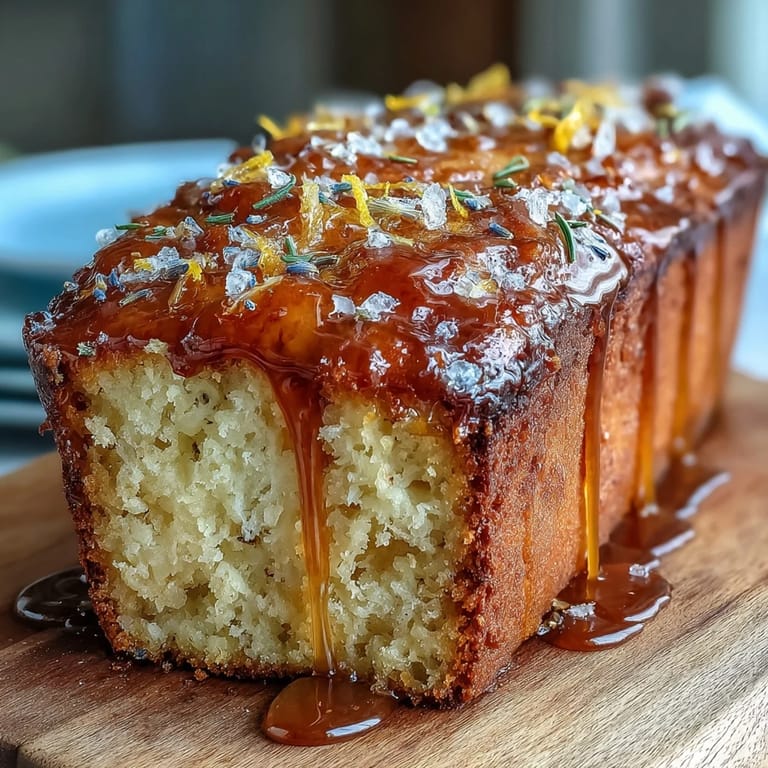
- Drizzle glaze over the cooled loaf, letting it drip artistically down the sides before slicing and serving.
 Save
Save The first time I brought this loaf to a neighbor’s birthday brunch, everyone went quiet after the first bite—I worried something was wrong, but then came a chorus of mmm’s and wide-eyed grins. That tiny pause before the compliments is a memory I savor nearly as much as the cake itself.
How to Bring Out That Lavender Flavor
I’ve found that gently warming the lavender buds in milk, then straining, gives the loaf a subtle, almost mysterious depth—just don’t let it boil or the flavor turns bitter. Adding lavender straight into the dry mix is also beautiful, but infusions take it to another level and keep the loaf balanced instead of soapy.
Choosing the Right Lemons
Bright, thin-skinned lemons are best for zesting; the fragrant oils are more concentrated and free of waxy coatings. If you spot Meyer lemons, they add sweetness and floral hints, which play beautifully with lavender and honey.
Serving and Storage (Because Leftover Slices Are Gold)
If you can resist eating the whole loaf on day one, wrap leftovers in parchment and tuck them into an airtight container—flavors meld and deepen overnight. A quick 10-second microwave zap brings it back to just-baked softness if needed.
- Let the glaze set for about fifteen minutes before slicing for prettier pieces.
- Decorate with extra lavender or lemon zest just before serving for a little wow factor.
- Do a taste test after the first bite; if you want more zing, a spritz of lemon juice over each slice is lovely.
 Save
Save Whether you serve it at tea or sneak slices with coffee in the morning, this loaf is like a burst of sunshine for your table. I hope it brings you as much quiet joy as it brought me.
Cooking Guide
- → How much lavender should I use without overpowering the loaf?
Use culinary dried lavender sparingly—about 1 tablespoon for this loaf. Measure by volume and fold it into the dry ingredients so the floral note remains a gentle accent rather than bitter or soapy.
- → Can I infuse the milk with lavender for a deeper flavor?
Yes. Warm the milk with lavender buds for a few minutes off the boil, let steep 10–15 minutes, then strain and cool. This gives a subtler, more evenly distributed floral flavor than adding dry buds directly.
- → How do I know when the loaf is done baking?
Insert a toothpick into the center—if it comes out clean or with a few moist crumbs, it's done. The top should be golden and the loaf should spring back slightly when pressed.
- → How can I adjust the honey glaze consistency?
Thin the glaze with extra lemon juice a teaspoon at a time for a pourable drizzle; add a bit more sifted powdered sugar to thicken. Aim for a texture that holds a ribbon when drizzled.
- → What are good storage and freezing options?
Keep the cooled loaf wrapped tightly at room temperature for 1–2 days, or refrigerate up to 5 days. For longer storage, slice and freeze portions in airtight bags; thaw at room temperature before glazing.
- → Any suggestions for ingredient substitutions?
Swap Greek yogurt with sour cream or buttermilk for similar moisture. Use a dairy-free spread and plant milk for lactose-free diets. For a gluten-free version, try a 1:1 gluten-free flour blend and check texture as you may need slight adjustments.