 Save
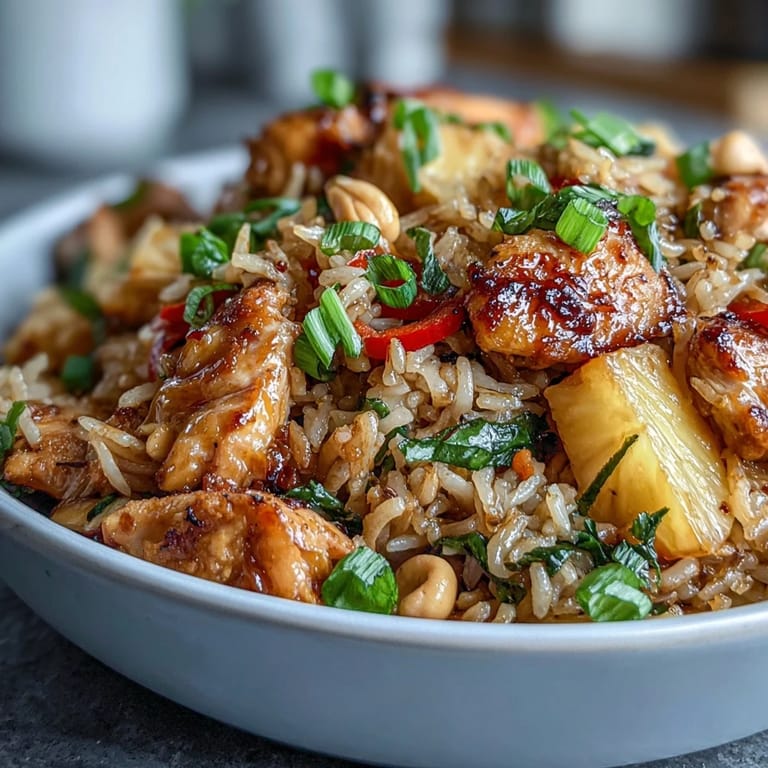
Save My kitchen smelled like a Hawaiian vacation the first time I made this—not because I'd planned it that way, but because a friend dumped a bag of fresh pineapple on my counter and challenged me to do something unexpected with leftover rice. The sweetness hit me before I'd even started cooking, and I realized right then that this wasn't going to be your typical weeknight stir-fry. Twenty minutes later, my partner walked in, grabbed a fork, and ate straight from the pan. That's when I knew I'd accidentally created something special.
I made this for my sister during a particularly rough week when she needed comfort food that didn't feel heavy. She'd been stressed about a promotion interview, and watching her relax after the first forkful—actually relax, shoulders dropping and everything—reminded me why I love cooking. The tropical brightness seemed to shift something in the room, like we'd borrowed a piece of summer we desperately needed.
Ingredients
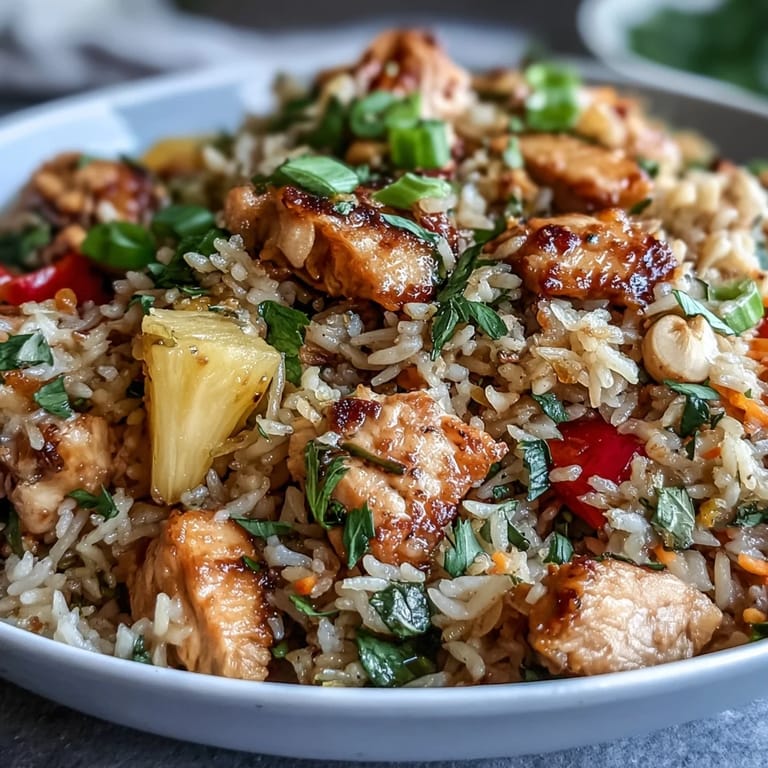
- Boneless, skinless chicken breasts (2 large, about 300 g), diced: Cut them into bite-sized pieces so they cook evenly and disappear into the rice without dominating it.
- Large eggs (2), beaten: These create little pockets of richness that balance the tropical sweetness—scramble them just until they lose their shine.
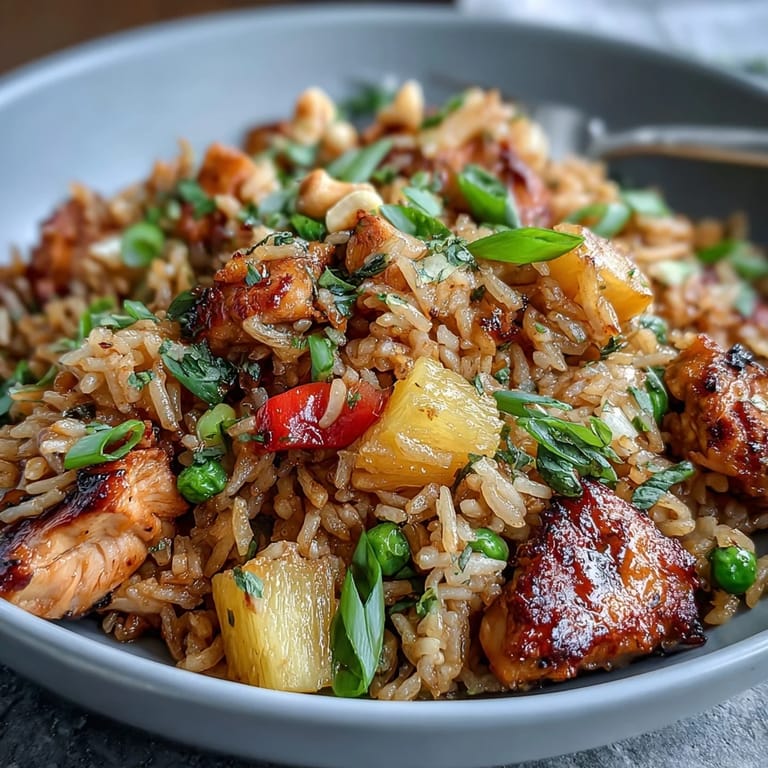
- Fresh pineapple (1 cup), diced: Fresh is non-negotiable here; the juice matters as much as the fruit, and it'll release slowly into the rice as it cooks.
- Red bell pepper (1), diced: The color is half the appeal, but the slight sweetness plays perfectly with the pineapple.
- Frozen peas and carrots (1 cup), thawed: Thaw them before cooking so they don't cool down the pan or extend your cooking time.
- Green onions (3), sliced, plus extra for garnish: Add half during cooking for that aromatic base, save the rest for a fresh finish at the end.
- Garlic (2 cloves), minced: Don't skip this—it's the invisible bridge between the tropical fruit and savory flavors.
- Cooked jasmine rice (3 cups), chilled and preferably day-old: This is crucial; day-old rice has less moisture and won't turn into porridge the moment it hits the hot pan.
- Soy sauce (3 tbsp), gluten-free if needed: This is your baseline salt and umami; taste as you go because different brands have different intensities.
- Oyster sauce (1 tbsp): A small amount adds depth without making the dish taste fishy—trust the small measurement.
- Sesame oil (1 tbsp): Drizzle this in at the very end so the heat doesn't burn away its delicate, nutty character.
- Ground black pepper (1/2 tsp): Fresh cracked is ideal, though pre-ground works fine here.
- Salt (1/2 tsp): Adjust after tasting; the soy and oyster sauces bring their own salt.
- Chili flakes (1/2 tsp, optional): A whisper of heat makes the sweetness sing, but skip it if your guests prefer mild.
- Vegetable oil (2 tbsp), divided for frying: High heat demands oil with a high smoke point; neutral flavors work best so nothing interferes with the tropical profile.
- Roasted cashews or macadamia nuts (2 tbsp, optional), for garnish: The crunch at the end transforms the texture and feels like a final celebration.
Tired of Takeout? 🥡
Get 10 meals you can make faster than delivery arrives. Seriously.
One email. No spam. Unsubscribe anytime.
Instructions
- Sear the chicken until it's golden and cooked through:
- Heat 1 tablespoon oil in your wok or skillet over medium-high heat until it shimmers—that's your signal to add the diced chicken. Let it sit for a minute before stirring, which gives the pieces a chance to develop color and flavor. Cook for 5–7 minutes until no pink remains inside, then transfer to a clean plate and resist the urge to crowd the pan while it cooks.
- Scramble the eggs and set them aside:
- Add the remaining oil to the pan, pour in your beaten eggs, and immediately start pushing them around with a spatula. You want soft, custardy curds, not a rubbery omelet—pull them from the heat when they still look slightly wet because they'll continue cooking from residual heat. Move them to the side of the pan or remove them temporarily; they'll rejoin the party in just a moment.
- Build the aromatic base with garlic and peppers:
- Return the heat to medium-high, add your minced garlic and diced red bell pepper to the empty space in the pan, and let them perfume the oil for about 30 seconds before stirring. Add half your sliced green onions and let everything sizzle together for 2 minutes—your kitchen should smell incredible by now.
- Add the remaining vegetables and pineapple:
- Toss in your thawed peas, carrots, and fresh pineapple chunks, and keep the pan moving for 2–3 minutes. The pineapple will soften slightly and start releasing its juice, which is exactly what you want because that liquid will season the rice.
- Combine the rice and return the chicken:
- Add your chilled rice to the pan, breaking up any clumps with the back of your spatula—it might seem like a lot, but it'll spread out as it warms. Stir everything together until the rice is coated with the aromatics and pineapple juice, then add the cooked chicken back in.
- Bring it all together with sauce and seasoning:
- Pour in the soy sauce, oyster sauce, and sesame oil, along with salt, pepper, and chili flakes if using. Stir-fry constantly for 3–4 minutes so every grain of rice gets touched by the sauce and the whole dish heats through evenly. The pan should sound alive—constant sizzle and motion.
- Taste and adjust before serving:
- Pull the pan from heat and do a real taste test: Is it salty enough, sweet enough, is there enough heat? Add more soy sauce for saltiness, a pinch more chili for heat, or a squeeze of lime juice if it needs brightness.
- Finish with nuts and green onions:
- Scatter your roasted nuts and reserved fresh green onions over the top right before plating so they stay crispy and bright. This final garnish is the difference between good fried rice and memorable fried rice.
 Save
Save My neighbor smelled it cooking through our shared wall and knocked on my door holding a wine bottle. We ended up eating together at my kitchen counter, and she spent twenty minutes convincing me this tasted better than the Hawaiian place down the street. There's something about making someone hungry enough to abandon their plans that feels like the highest compliment a home cook can get.
Why Day-Old Rice Changes Everything
The difference between day-old and fresh rice isn't subtle—it's the difference between a silky, individual-grain fried rice and a starchy, clumped mess. When rice sits in the refrigerator overnight, the starches firm up and the grains dry out slightly, which means they fry instead of steam. If you're stuck making this with fresh rice, spread it on a baking sheet for 10 minutes while you prep your ingredients; the air circulation helps dry it out and separates the grains.
The Balance Between Sweet and Savory
This dish lives in the tension between tropical sweetness and umami depth, and nailing that balance is where the magic happens. The pineapple wants to dominate, but the oyster sauce and sesame oil keep it grounded in savory territory. I learned to add the pineapple halfway through cooking instead of at the beginning, which prevents it from breaking down too much and maintains that fresh, juicy burst when you eat it.
Variations That Feel Natural
I've made this with shrimp when I'm feeling fancy, tofu when I'm eating lighter, and even leftover rotisserie chicken when I'm moving fast. Each swap works beautifully because the sauce and pineapple are strong enough to carry whatever protein you choose. The real secret is respecting the cooking time—protein-forward cooking means understanding that speed matters, so high heat and constant movement are your friends.
- Shrimp cooks faster than chicken, so add it in the last minute or it turns rubbery.
- Tofu needs to be pressed beforehand and can be pan-fried separately for better texture.
- Cashew sauce (blended with coconut milk) can replace the oyster sauce if you're avoiding shellfish-derived products.
 Save
Save This dish has become my answer to weeknight dinners that need to feel special without the effort, and the kind of meal that somehow tastes better when shared. Every time I make it, someone asks for the recipe, and I know exactly why—it's proof that the best food doesn't require hours of work, just honest ingredients and a willingness to trust your instincts.
Cooking Guide
- → What is the best type of rice to use?
Day-old jasmine rice works best as it is drier and prevents clumping, giving a fluffy texture to the dish.
- → Can I substitute the chicken with other proteins?
Yes, shrimp or tofu can be used as alternatives for a different twist while keeping the dish vibrant.
- → How do the pineapple and vegetables affect the flavor?
The pineapple adds a sweet, tropical note, balancing the savory soy and oyster sauces, while the vegetables provide fresh crunch.
- → What kind of oil should I use for stir-frying?
Vegetable oil is preferred for frying due to its high smoke point and neutral flavor.
- → Are there any allergen considerations?
This dish contains soy, eggs, and may contain shellfish or nuts depending on ingredients used; gluten-free options are available.
- → How can I adjust spice levels?
Chili flakes are optional and can be added or omitted based on desired heat preference.