 Save
Save I discovered this dish by accident at a gallery opening where I arrived fashionably late and found myself staring at a cheese board so perfectly arranged it looked like an art installation. A friend leaned over and whispered, "It's a clock," and suddenly all the scattered citrus slices clicked into place—literally. The genius was immediate: beautiful, practical, and wonderfully on-theme for a party that celebrated precision and whimsy all at once. I went home that night determined to recreate it, and now it's become my secret weapon whenever I need something that feels both effortless and impossibly impressive.
The first time I actually made this for a dinner party, my nervous energy translated into aggressive slicing—I cut the citrus rounds so unevenly that the clock looked like it had survived an earthquake. But here's what surprised me: the imperfection made it feel more human, more real. My guests didn't critique the geometry; they admired the audacity. Now I actually embrace the slight variations because they remind everyone that a real person made this, not a caterer.
Ingredients
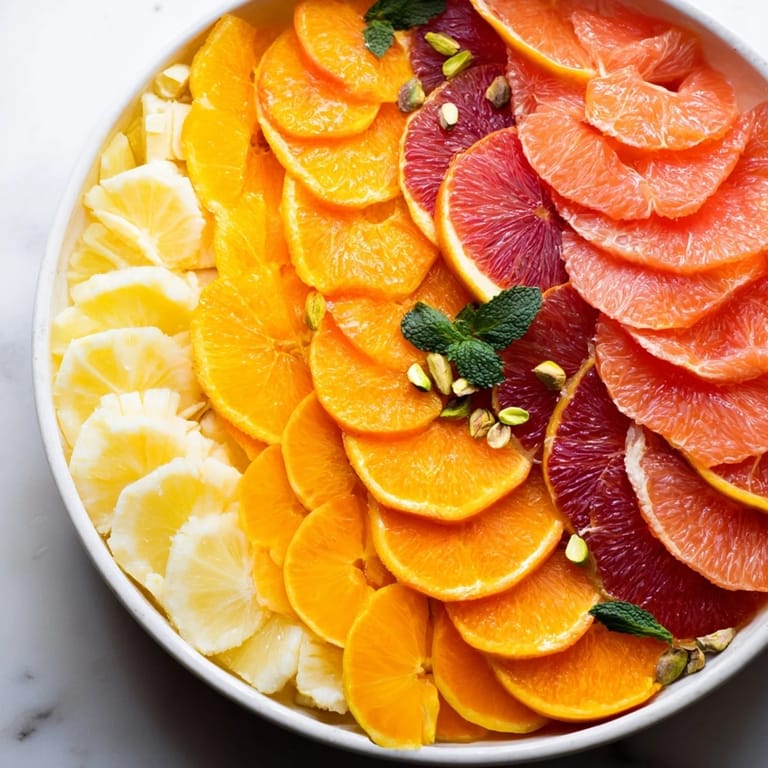
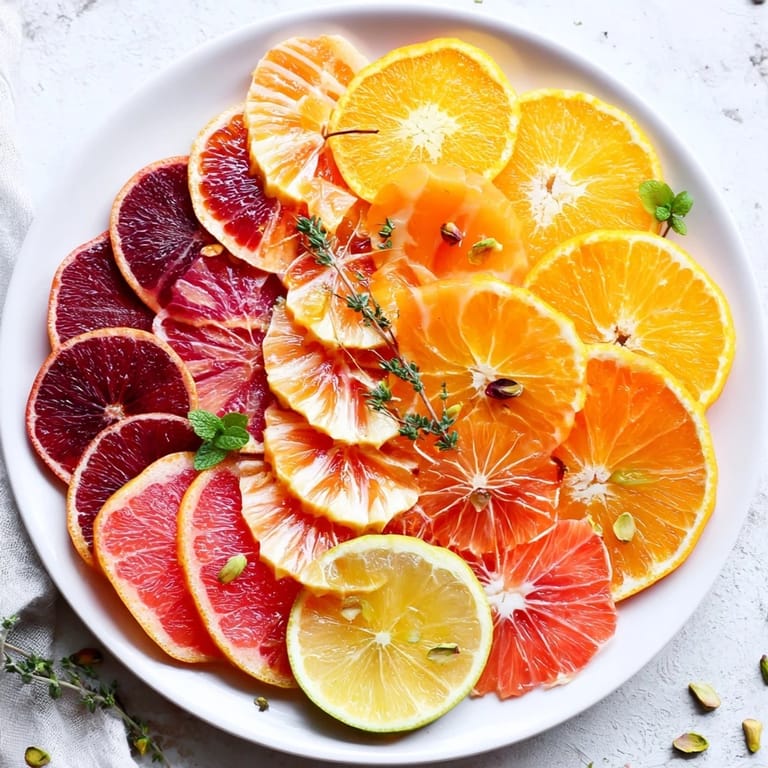
- Large orange: The workhorse of your clock face—its golden hue anchors the whole arrangement and provides reliable, juicy rounds that hold their shape beautifully.
- Blood orange: This is where the magic happens; its deep crimson interior feels luxurious and unexpected, instantly elevating the visual drama of your platter.
- Grapefruit: The pale, sophisticated choice that adds visual breathing room among the warmer tones and brings a sophisticated bitterness to the flavor profile.
- Clementines: Smaller and sweeter, they cluster like little jewels and give you flexibility with spacing if your larger fruits don't cooperate.
- Lemon and lime: These acidic beauties prevent browning and add a visual pop of brightness at the edges—they're both preservative and punctuation.
- Firm goat cheese or manchego: This is your clock hand material; it needs to hold a clean, defined shape and taste good enough to eat on its own, so don't cheap out here.
- Aged cheddar or gouda: Choose something with personality and depth, something that tastes like it's been waiting for this moment, because it has.
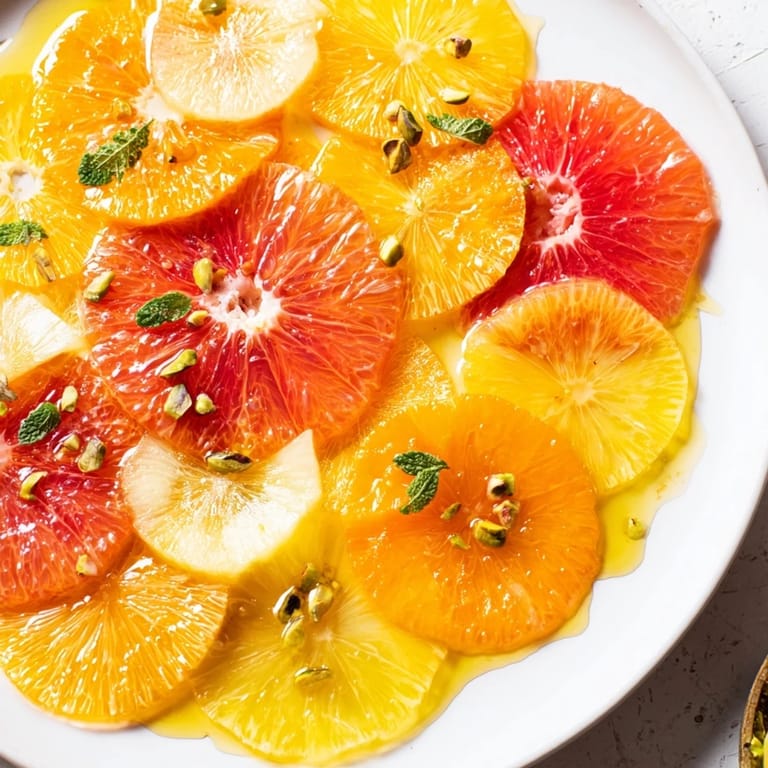
- Honey: The glue that ties everything together visually and adds a warm sweetness that softens the citrus bite.
- Pistachios or walnuts: More texture than flavor, but they catch the light and prove you care about the details.
- Fresh mint: Don't skip this—it's the final flourish that makes people inhale deeply and feel like they're at a spa, not just eating cheese and fruit.
Tired of Takeout? 🥡
Get 10 meals you can make faster than delivery arrives. Seriously.
One email. No spam. Unsubscribe anytime.
Instructions
- Slice your citrus with intention:
- Cut each fruit into thin, even rounds—about a quarter-inch thick—and remove any seeds as you go. The consistency matters here because uneven slices will throw off your clock's visual rhythm, and nobody wants a wonky timepiece on their serving platter.
- Arrange your clock face:
- Place your largest round platter in front of you and imagine the numbers one through twelve. Start laying citrus slices like clock positions, alternating colors as you go around so no two similar hues sit next to each other. Think of it as creating a color wheel that also happens to tell time.
- Shape your cheese hands:
- Cut your cheese into two long, narrow strips—one slightly longer for the minute hand, one shorter for the hour hand. Place them at the center pointing to whatever time feels right; I always choose a time that matters to someone at the party, like the hour someone was born or when they got married.
- Finish with sweetness and texture:
- Drizzle honey in a spiral or gentle pool at the center where your cheese hands meet, then scatter pistachios or walnuts around that golden center. Tuck mint leaves into any gaps that feel bare—they'll catch light and add movement to the whole composition.
 Save
Save I served this at a baby shower where the mom-to-be was nervous about labor, and somehow seeing her toddler point at each hour and say the numbers made everyone relax into laughter. Food has this quiet power to transform a moment, and this dish—humble as it is—became the thing everyone remembered. It reminded me that the most impressive recipes aren't always the most complicated; sometimes they're just the ones that make people stop rushing and actually see what's in front of them.
The Art of Visual Storytelling on a Platter
Before I started making things like this, I thought presentation was superficial window dressing. Now I understand it's communication—you're telling your guests that you thought about them before they arrived, that you considered not just their taste buds but their eyes and their hearts. The Clockwork Orange is pure theater because it's organized chaos; it's beautiful precisely because it follows a rule that everyone recognizes. When someone walks into a room and sees this, they know instantly that something intentional happened here, and that changes the entire energy of the gathering.
Adapting Your Clock for Any Occasion
The skeleton of this dish is flexible enough to bend with your inventory and your mood. One winter I made it with pomegranate seeds instead of citrus at a few positions because that's what looked beautiful at the market. Another time I used roasted beet slices because a guest was avoiding citrus. The point is that this isn't a recipe that demands perfection; it demands intentionality. Once you understand the concept—the circle, the arrangement, the focal point—you can play with it like a jazz musician plays with a standard.
Making It Your Own
The real magic of this dish is how personal it becomes the moment you make it. I've learned that adding edible flowers between the citrus slices transforms it into something garden-party elegant. The notes mentioned cured meats as an addition, and I've discovered that thin prosciutto or serrano ham woven between a few of the slices creates pockets of savory complexity that make people pause and say, "Wait, what's that?" Serve it with crackers that have actual flavor—not those bland water biscuits—and consider a small bowl of fig jam or quince paste nearby because someone will want to build a bite that's more than just cheese and fruit.
- Trust your instincts if something else looks good on your platter; this dish rewards personal vision over rigid rules.
- Make the cheese hands thick enough to handle without falling apart, but delicate enough that they don't overwhelm the fruit.
- Serve this at room temperature so the cheese softens enough to be truly luxurious, not cold and resistant.
 Save
Save This recipe taught me that sometimes the most memorable meals aren't the ones that demand hours of technical precision—they're the ones that make people smile the moment they see them. Serve this when you want to remind your guests that you're thinking of them, and maybe even surprised you yourself.
Cooking Guide
- → How should the citrus be prepared for the platter?
Slice all citrus fruits into thin, even rounds, removing seeds as needed to ensure clean, attractive pieces for the circular arrangement.
- → What cheeses work best for creating clock hands?
Firm cheeses like goat cheese or manchego cut into narrow strips work well, as do aged cheddar or gouda for contrasting colors and textures.
- → Can I customize the garnishes on the platter?
Yes, drizzling honey and adding chopped pistachios or walnuts enhance flavor and texture; fresh mint leaves add aroma and visual appeal.
- → What should I serve alongside this platter?
Crackers or crusty bread complement the platter perfectly, providing a crunchy base to enjoy the citrus and cheese combination.
- → Are there pairing suggestions for this dish?
This platter pairs beautifully with a crisp Prosecco or a dry white wine, enhancing the fresh citrus and creamy cheese notes.